Learning Customer Journey Mapping with AI in 2026
Discover how Customer Journey Mapping with AI helps brands visualize user experiences automatically, predict behavior, and enhance customer engagement. Learn More
ARTICLES > LATEST ARTICLES
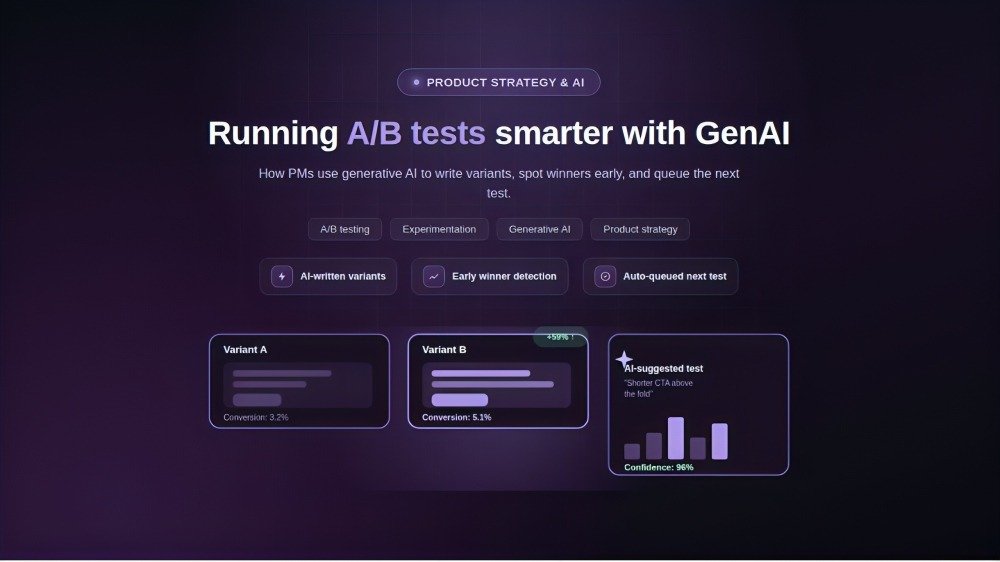
A/B testing has long been one of the most trusted tools in a product manager’s toolkit. Learn More
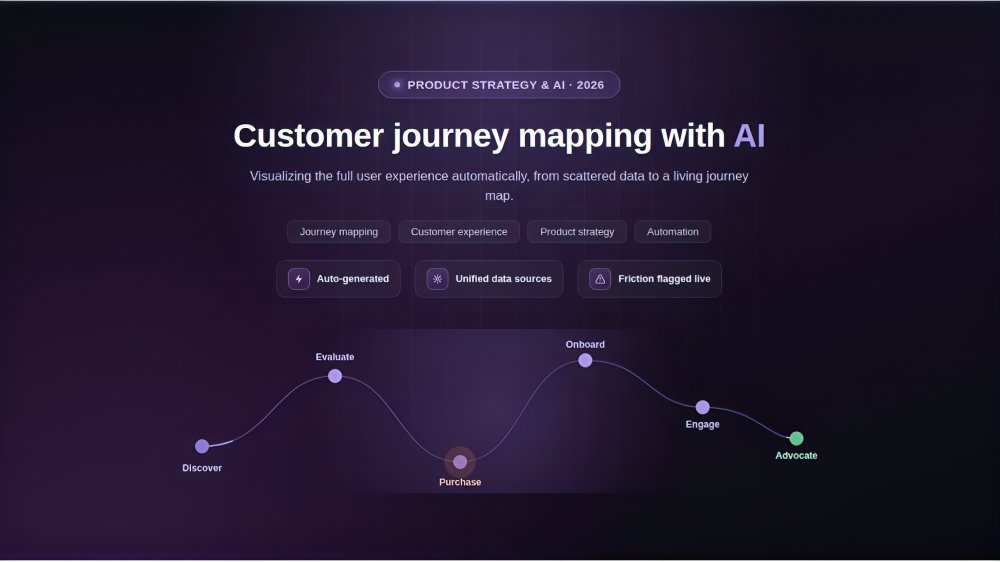
Discover how Customer Journey Mapping with AI helps brands visualize user experiences automatically, predict behavior, and enhance customer engagement. Learn More
Explore how Product Managers use AI for Competitive Intelligence to track rivals, market trends, and shifts in real time for smarter product decisions Learn More
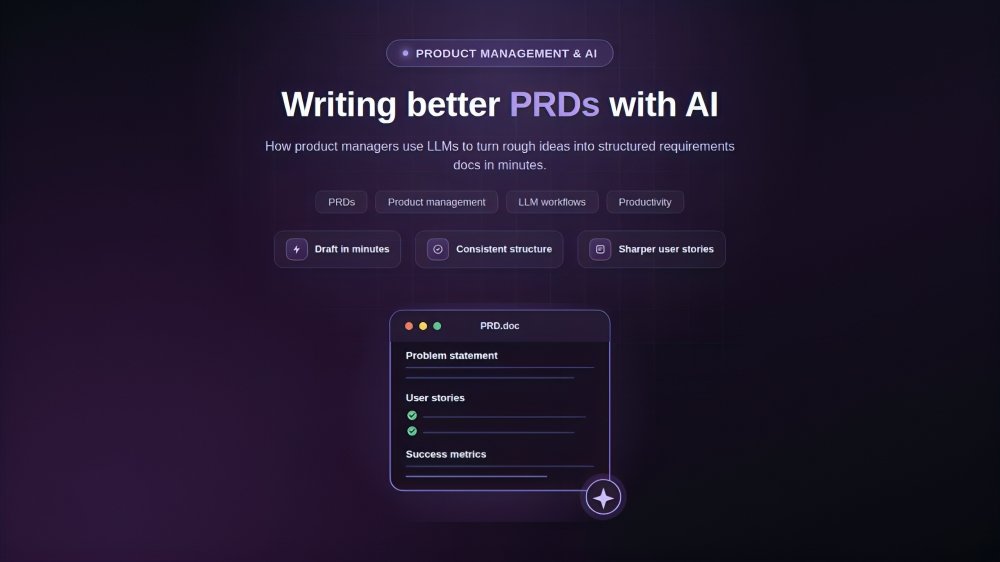
Learn how Product Managers use AI and LLMs to draft PRDs in minutes. Explore workflows, documentation, and roadmaps for faster, clearer product development. Learn More
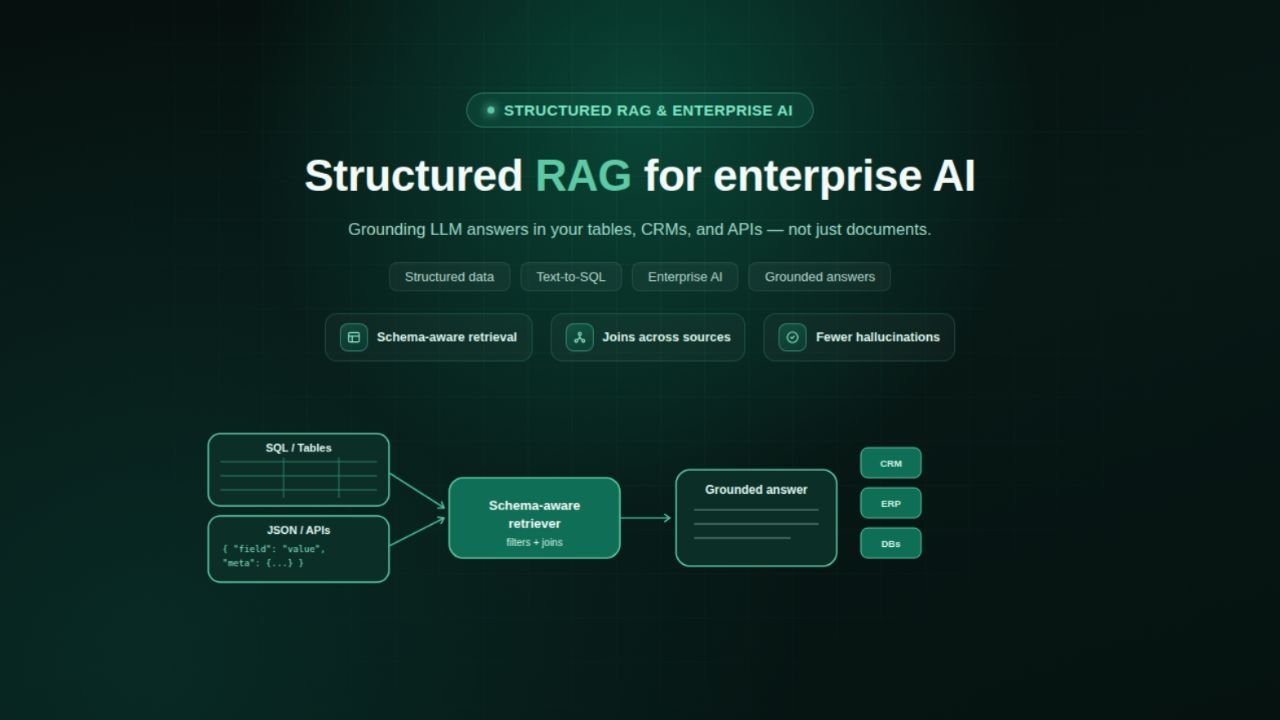
Discover how Hybrid RAG architecture combines structured data retrieval. Learn best practices for integrating structured databases with semantic search. Learn More
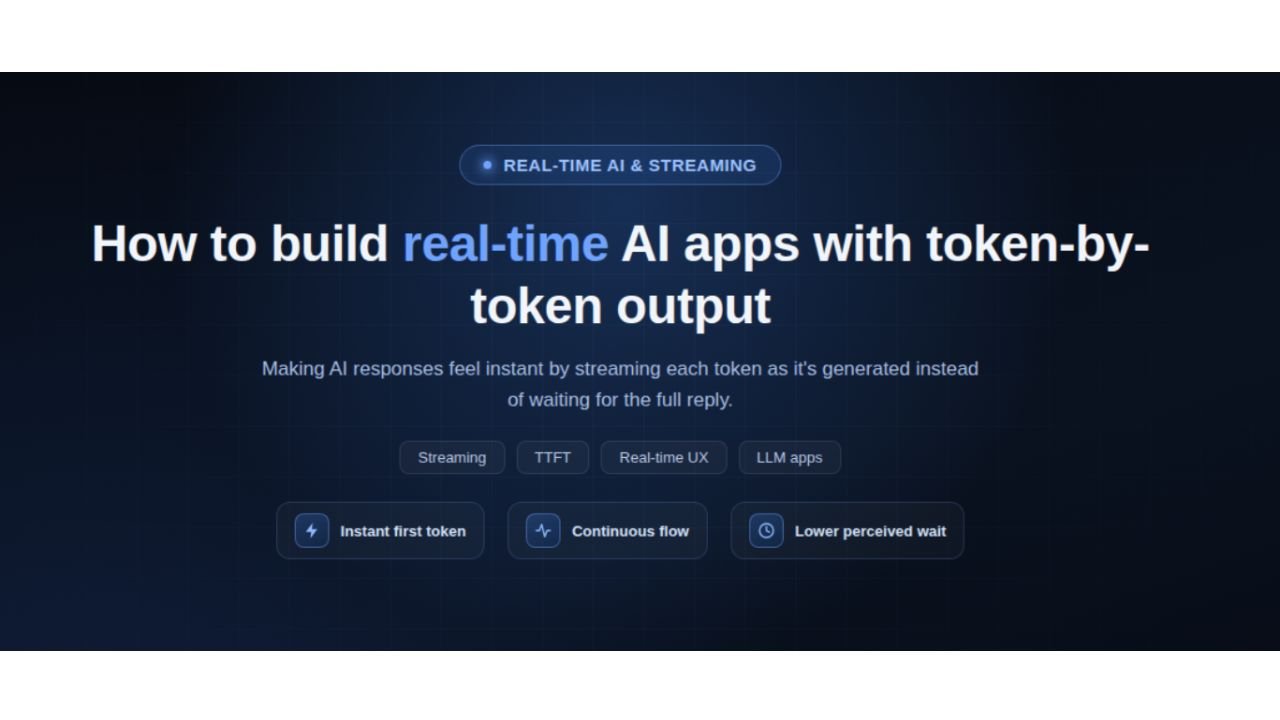
You can learn how to stream responses with LLMs and build real-time AI apps by using a token-by-token output. Become an AI engineer and transform operations. Learn More
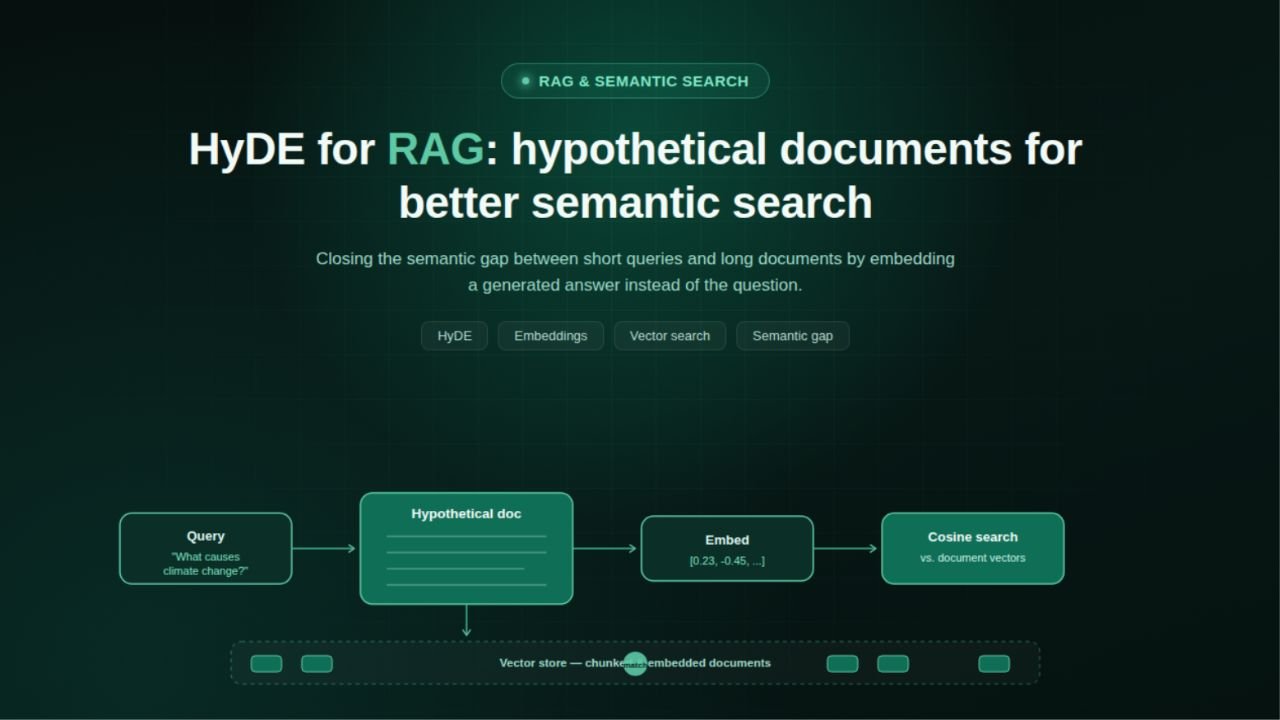
Here are ways to use documents for improving semantic search by using HyDE for RAG. Learn more about HyDE and become a gen AI expert. Learn More
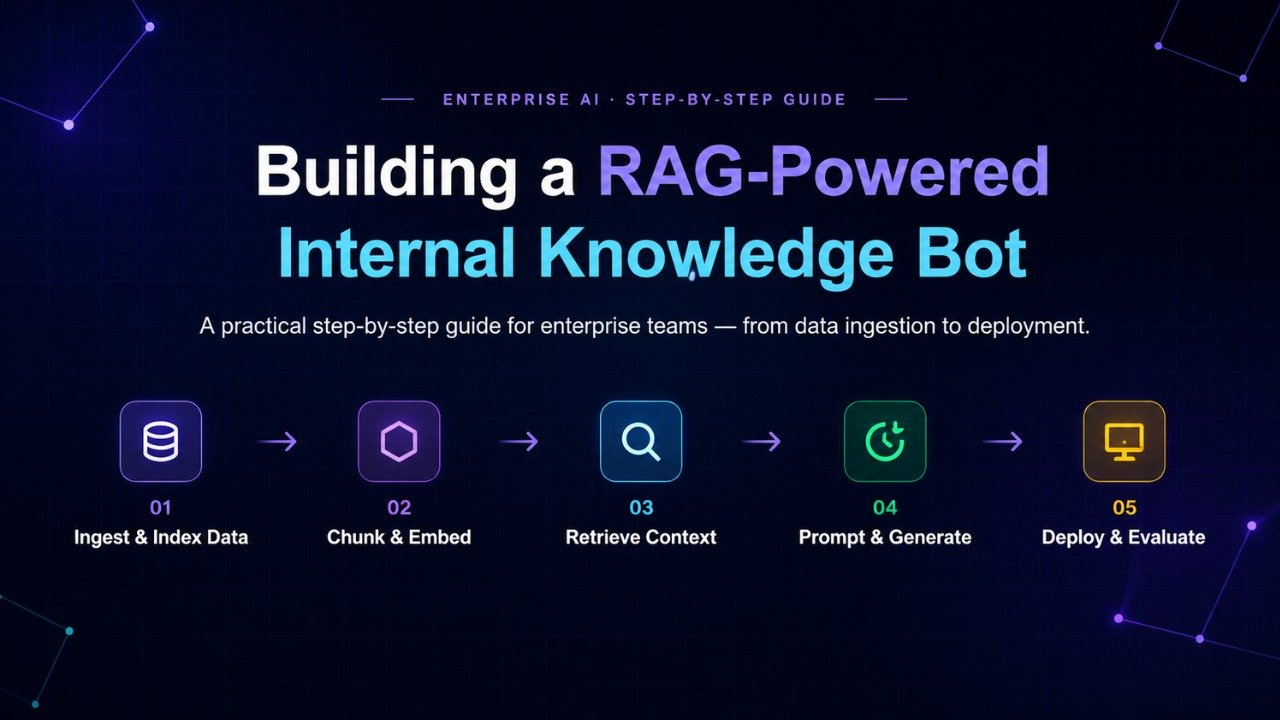
Here is a quick step-by-step guide to build an RAG-powered internal knowledge bot for enterprise teams. Learn More
Discover how to implement continuous discovery with AI - cut manual research overhead, automate user interviews, and keep the human judgment that matters. Learn More
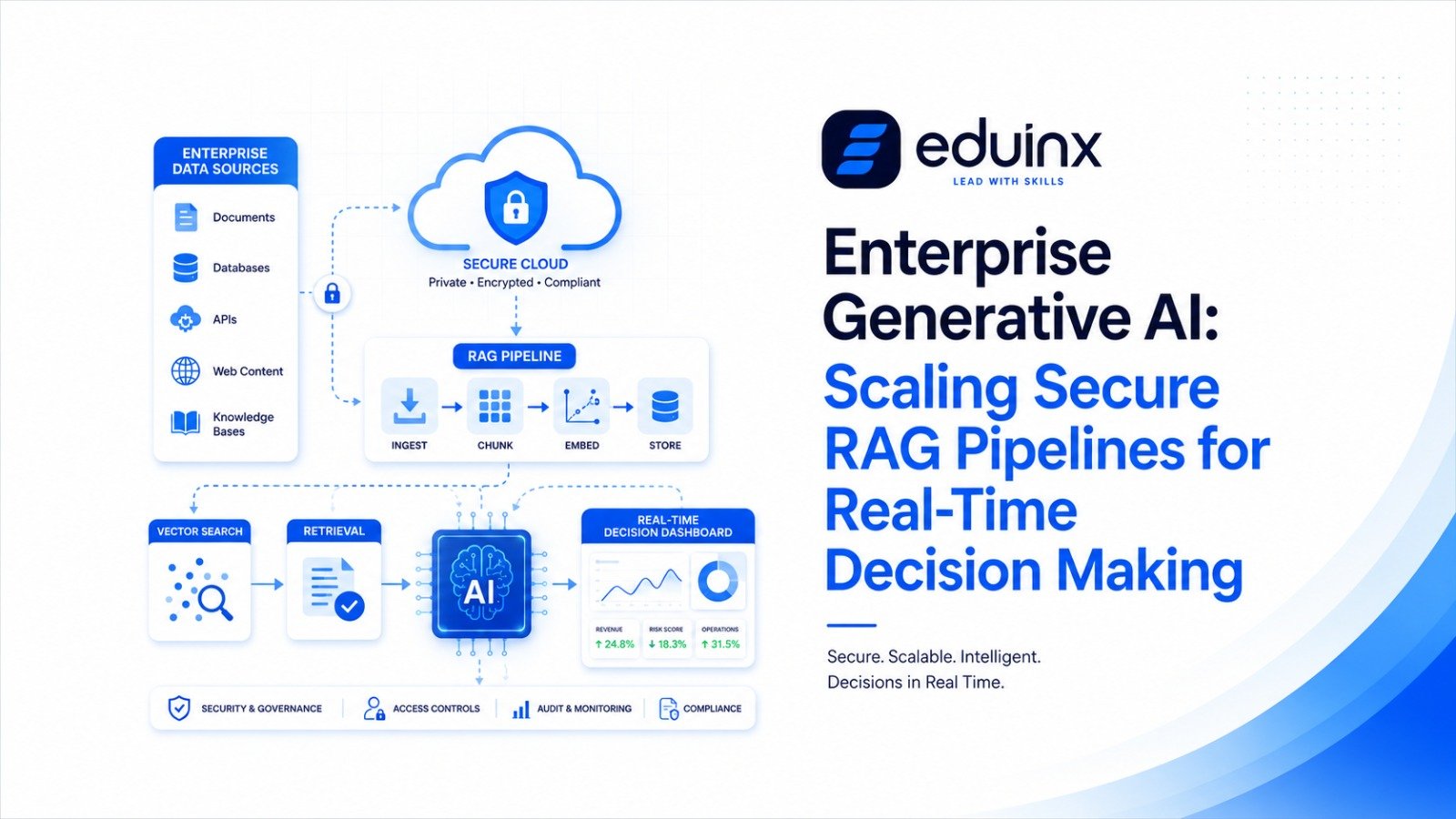
Learn how to build secure, scalable RAG pipelines for enterprise generative AI. Covers architecture, AI governance frameworks, access control, and real-time decision making for 2026. Learn More
Discover how AI-native organizations are restructuring product teams and PM roles in 2026, from smaller pods to the strategic vs. technical PM split. Learn More
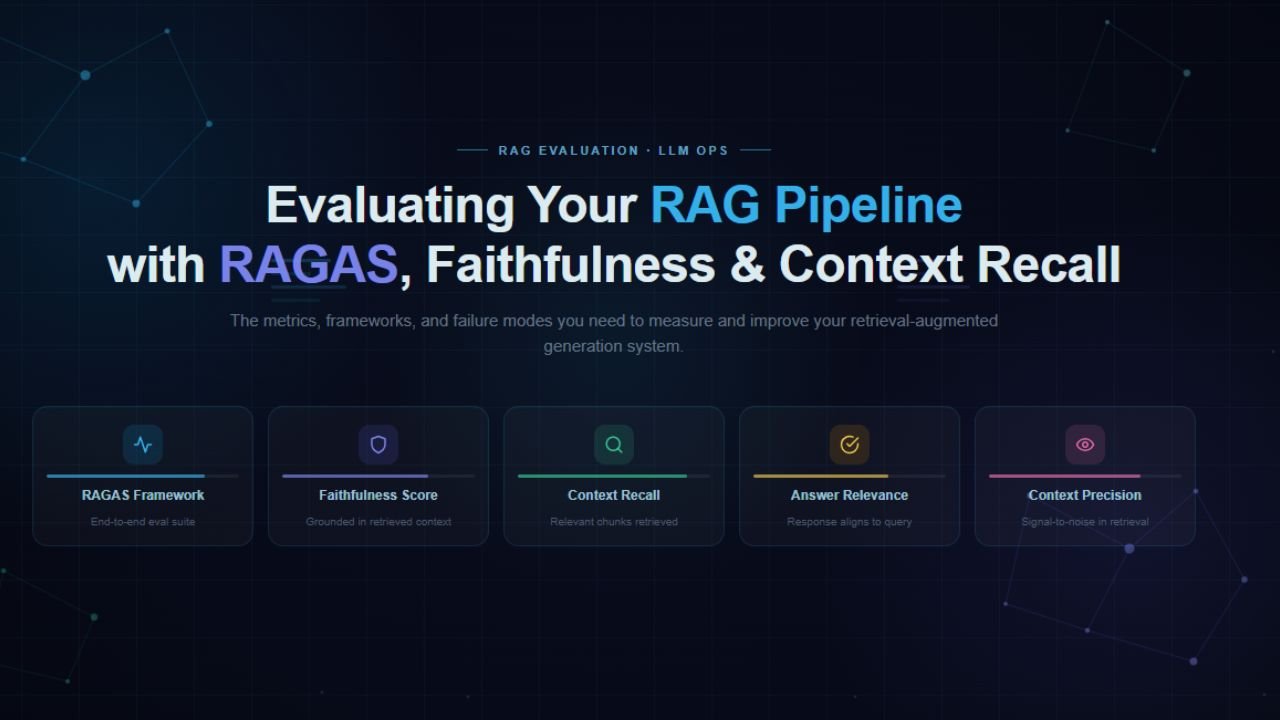
Understanding RAGAS, faithfulness, and context recall through RAG pipeline evaluation. Because an industry leader in gen AI and AI program management. Learn More
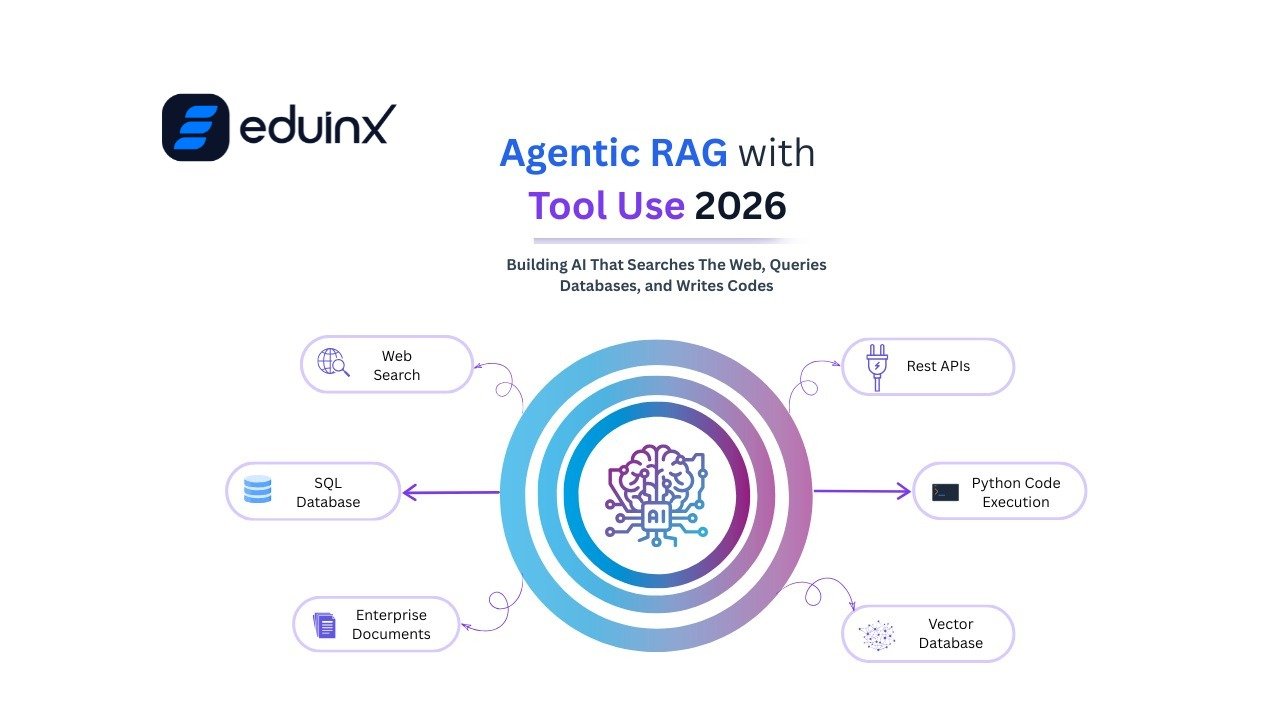
Learn how agentic RAG works in 2026: the architecture, function calling, and real examples of AI agents that search the web, query databases, and write code. Learn More
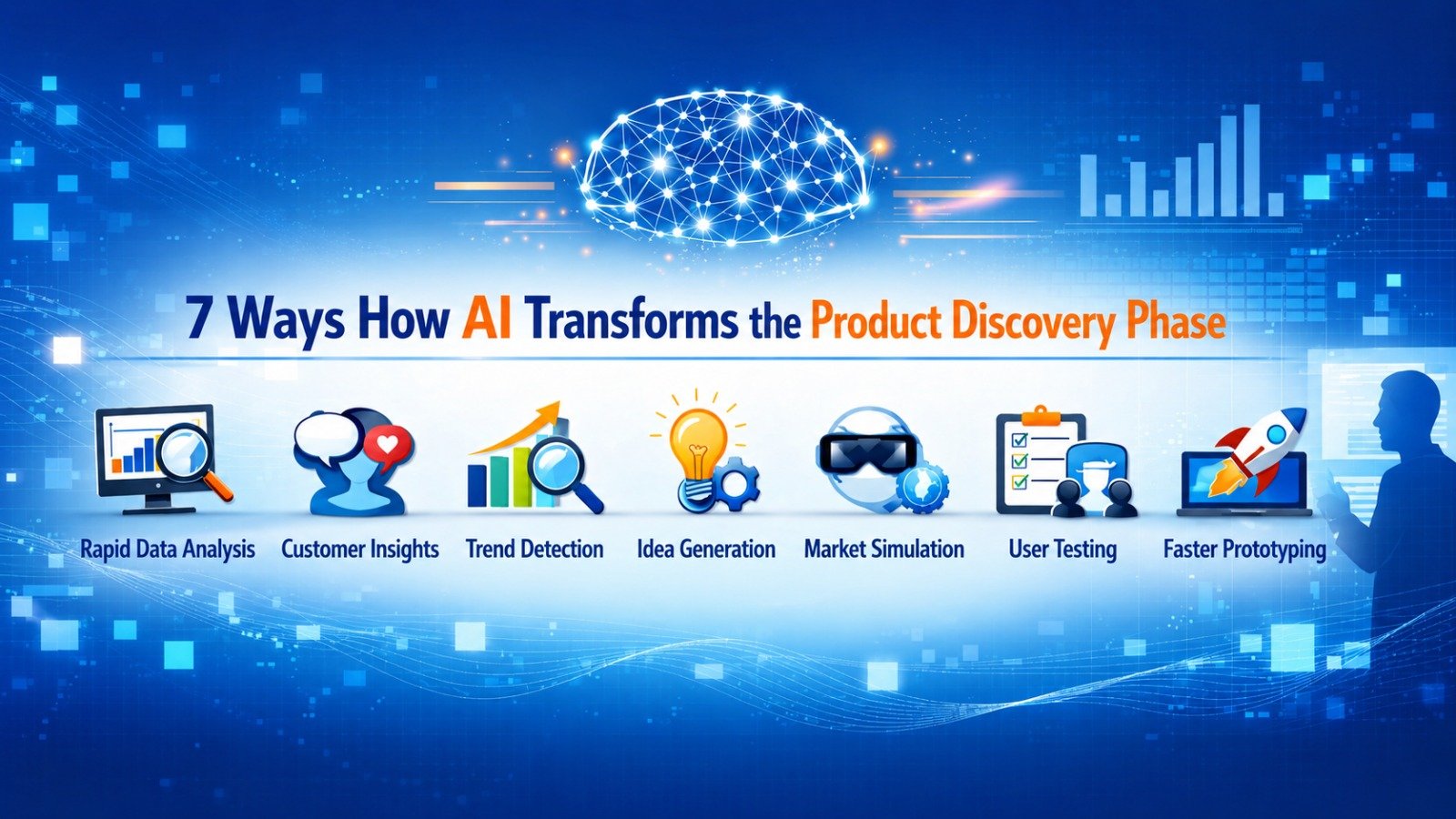
Learn how AI actively transforms product discovery through Continuous insight synthesis and automated trend detection. Become an AI Product Manager now. Learn More
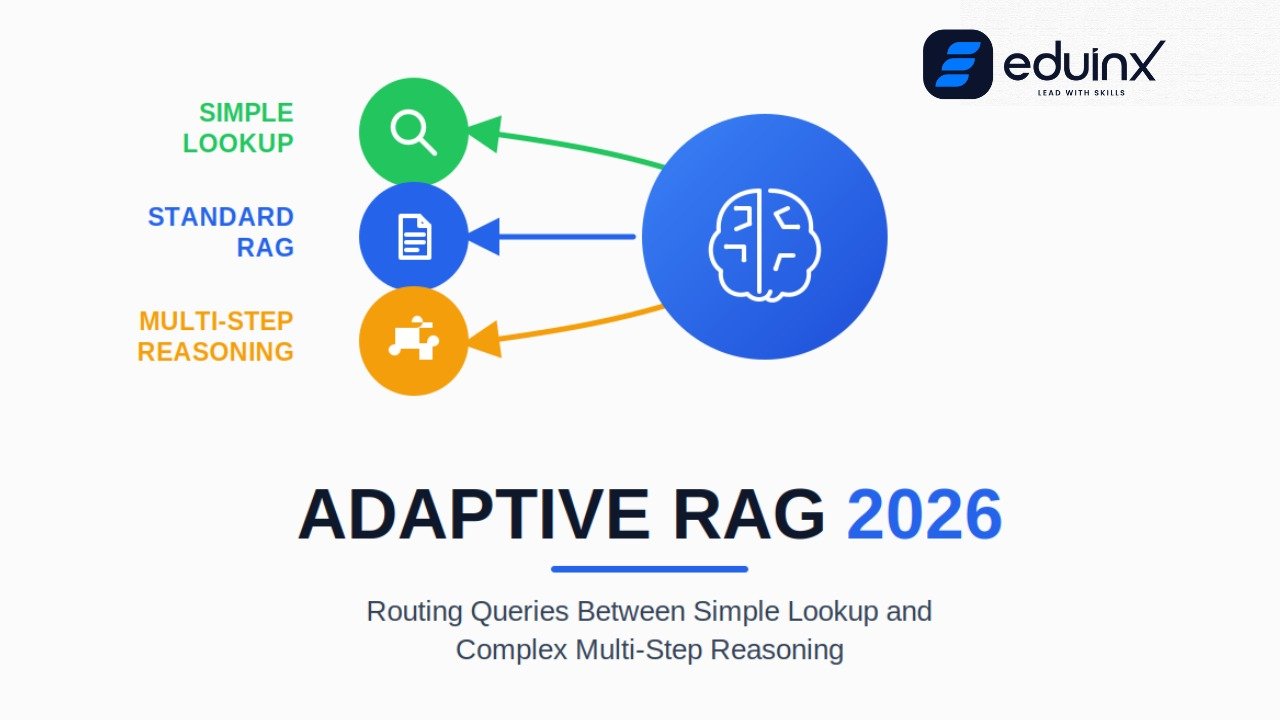
Learn how to leverage Jobs-to-be-done research to find unmet customer needs and stand out from the competition by becoming the most sought after resource. Learn More
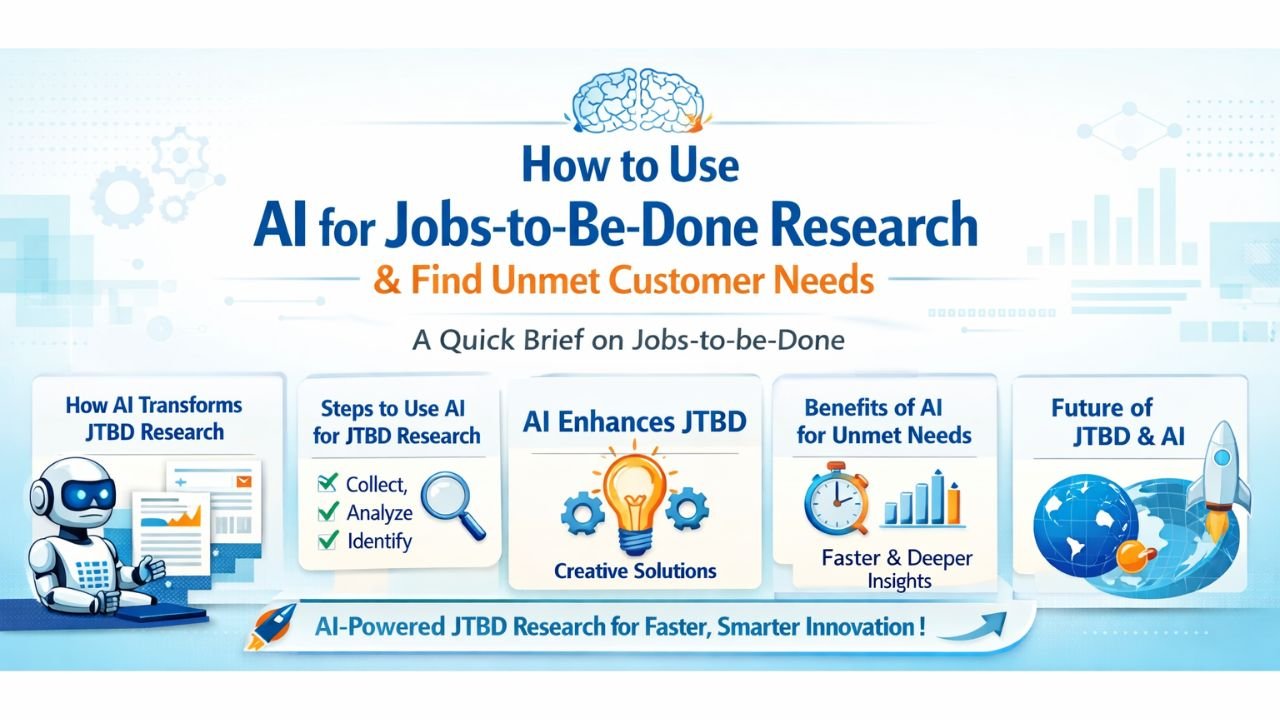
Learn how Adaptive RAG routes simple and complex queries between quick lookup, standard RAG, and multi-step reasoning for faster, smarter AI responses. Learn More
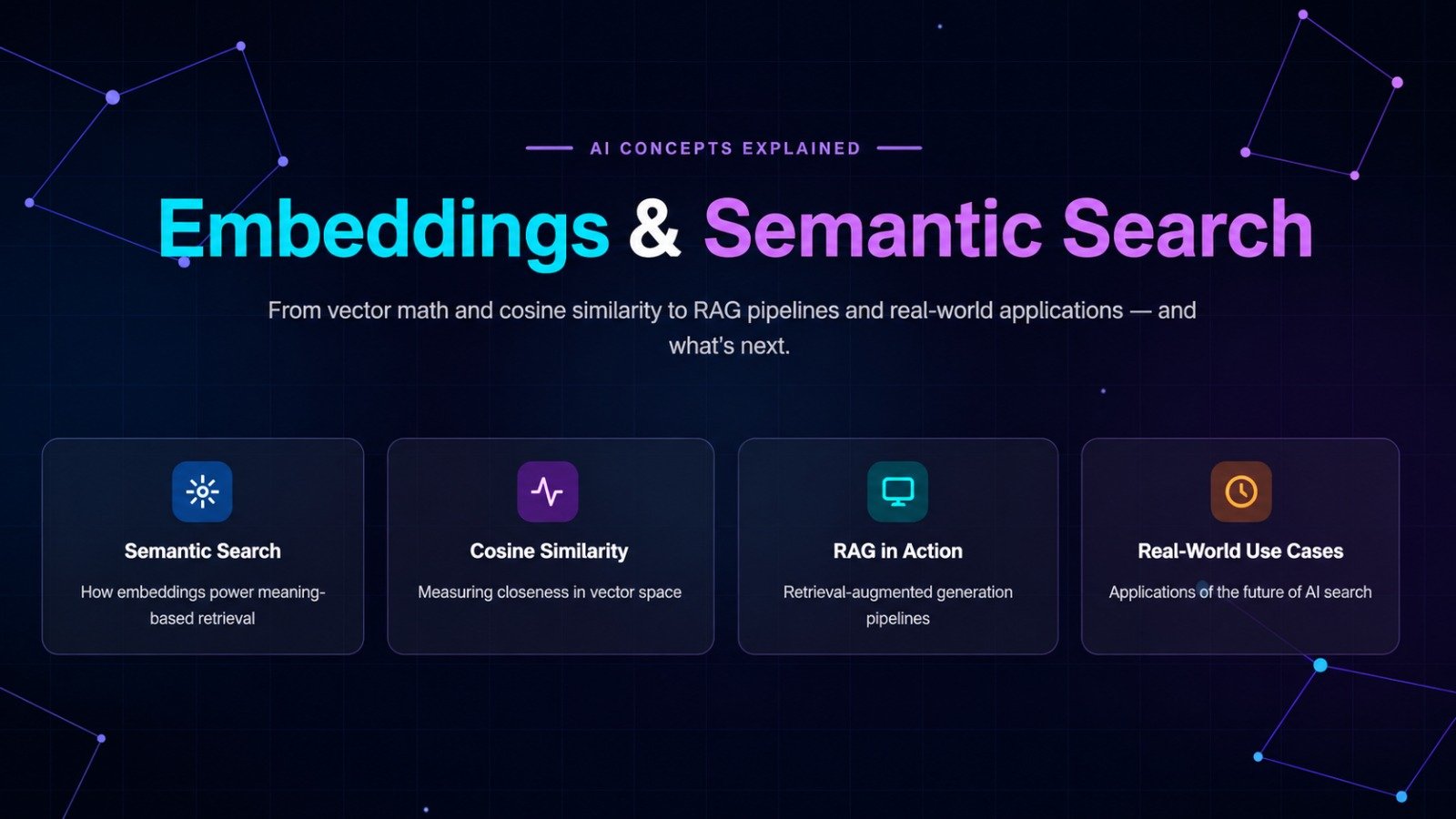
Embeddings are the language of meaning for machines. Understanding them will allow you to know the principle and working of RAG and generative AI Learn More
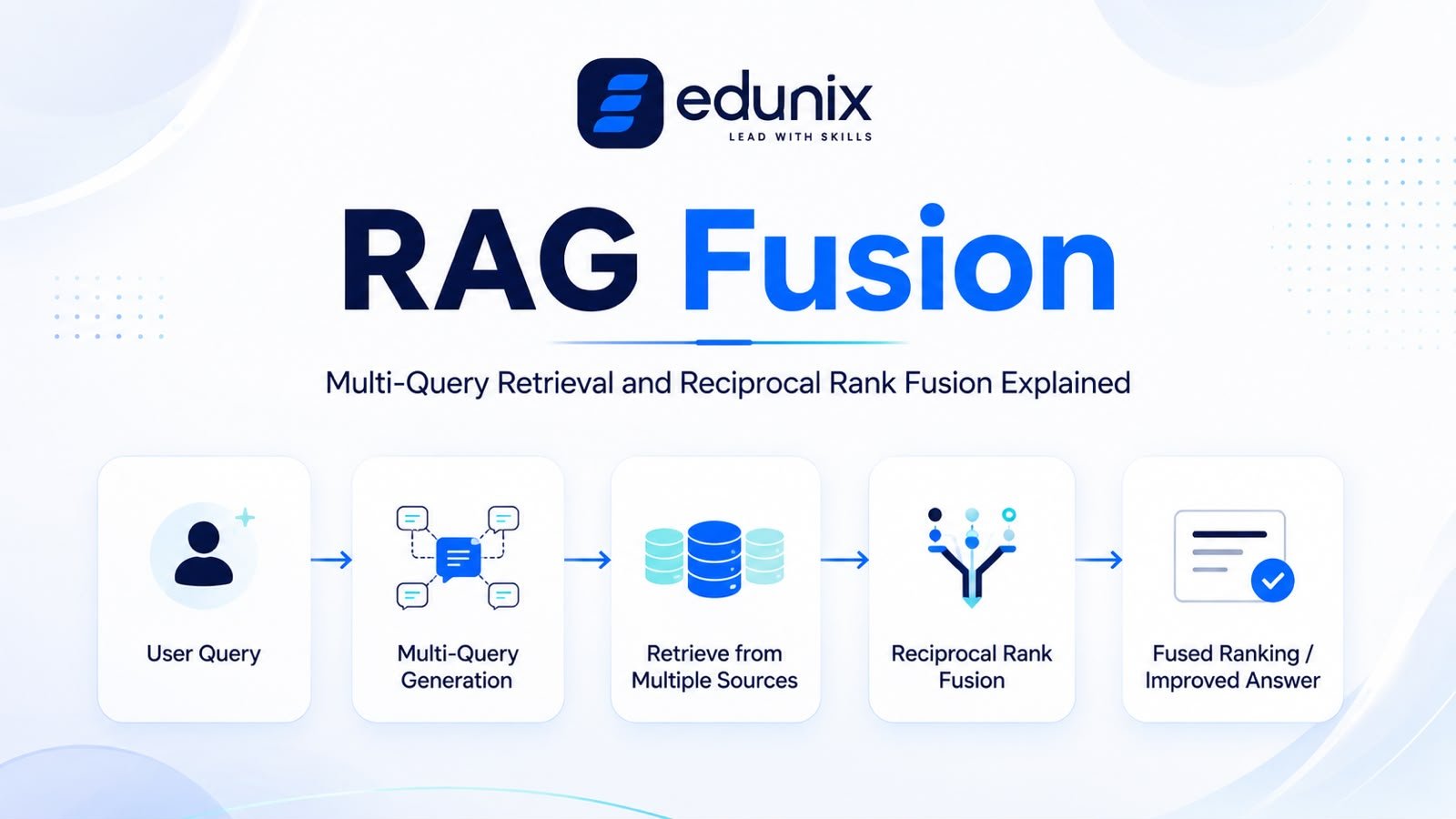
Learn how RAG Fusion uses multi-query retrieval and Reciprocal Rank Fusion to improve LLM retrieval accuracy, reduce hallucinations, and outperform standard RAG pipelines. Learn More
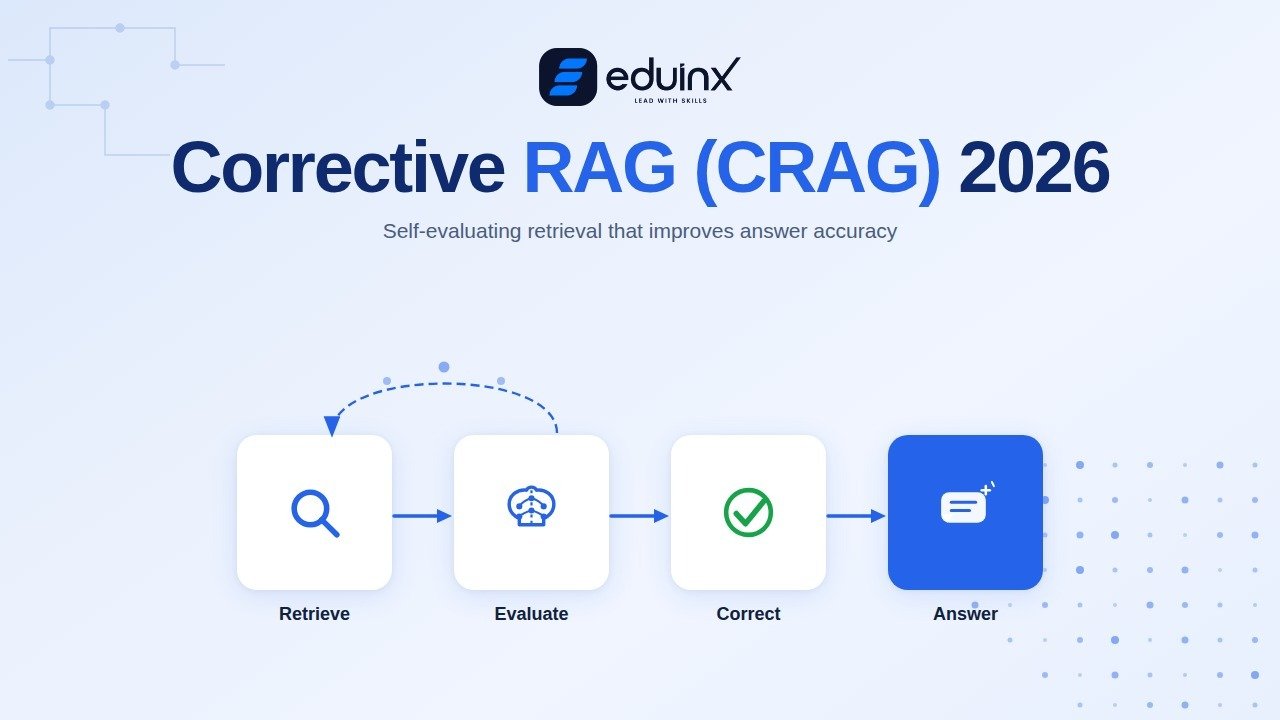
Learn how Corrective RAG (CRAG) uses a retrieval evaluator and self-healing feedback loops to fix wrong answers before they reach users. Includes CRAG vs Self-RAG comparison and LangChain implementation guide. Learn More
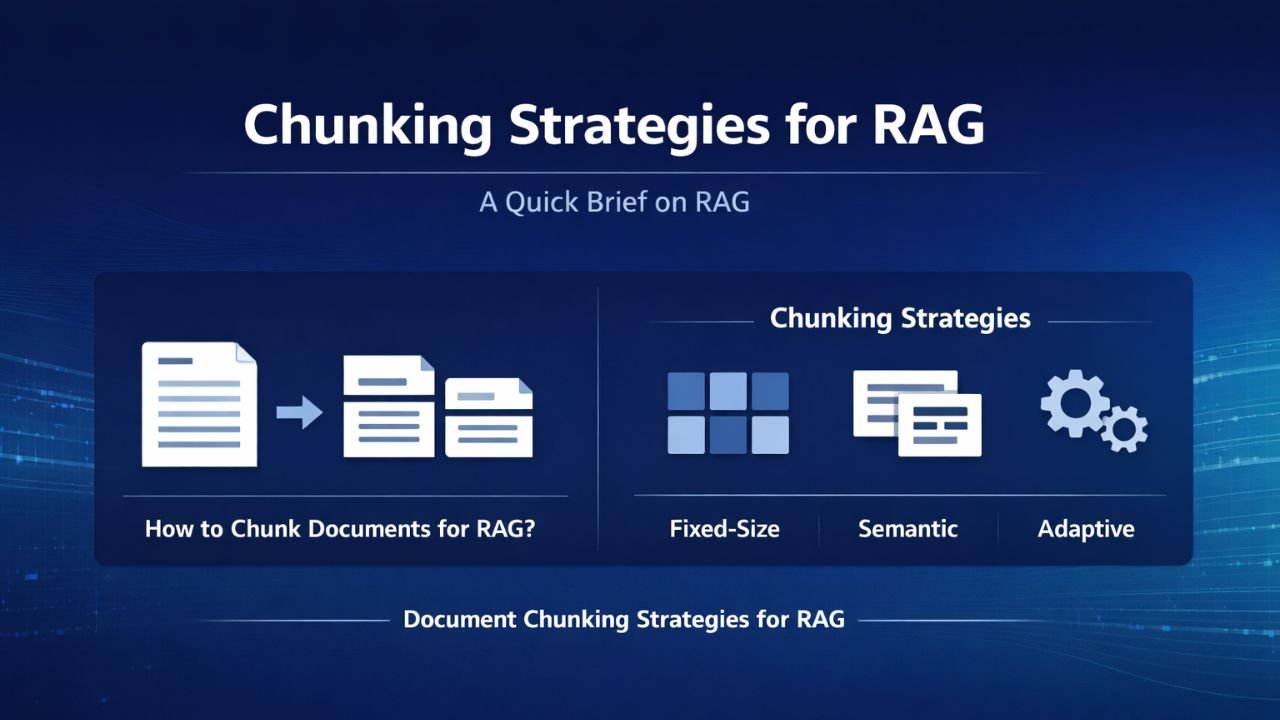
Learn about chunking strategies for RAG with splitting documents for retrieval accuracy. Learn More
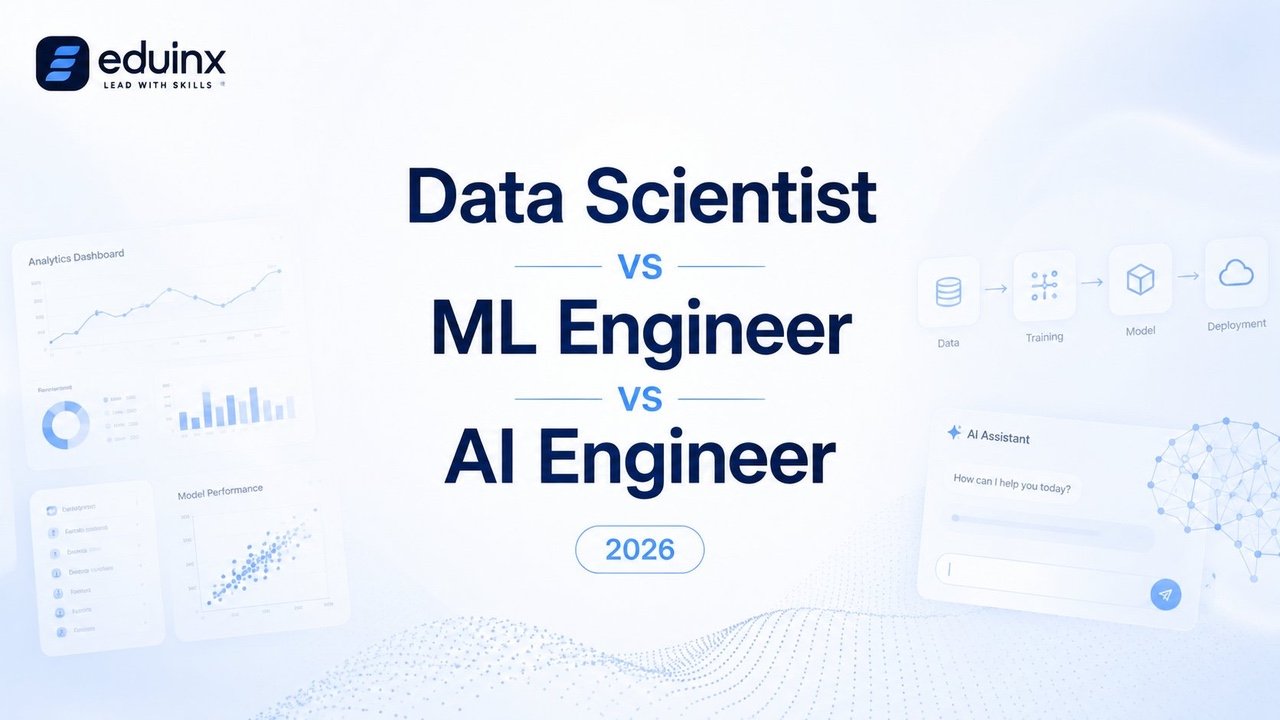
Not sure whether to become a Data Scientist, ML Engineer, or AI Engineer? This guide breaks down the real differences in skills, salary, and career fit for 2026, with India-specific hiring data. Learn More
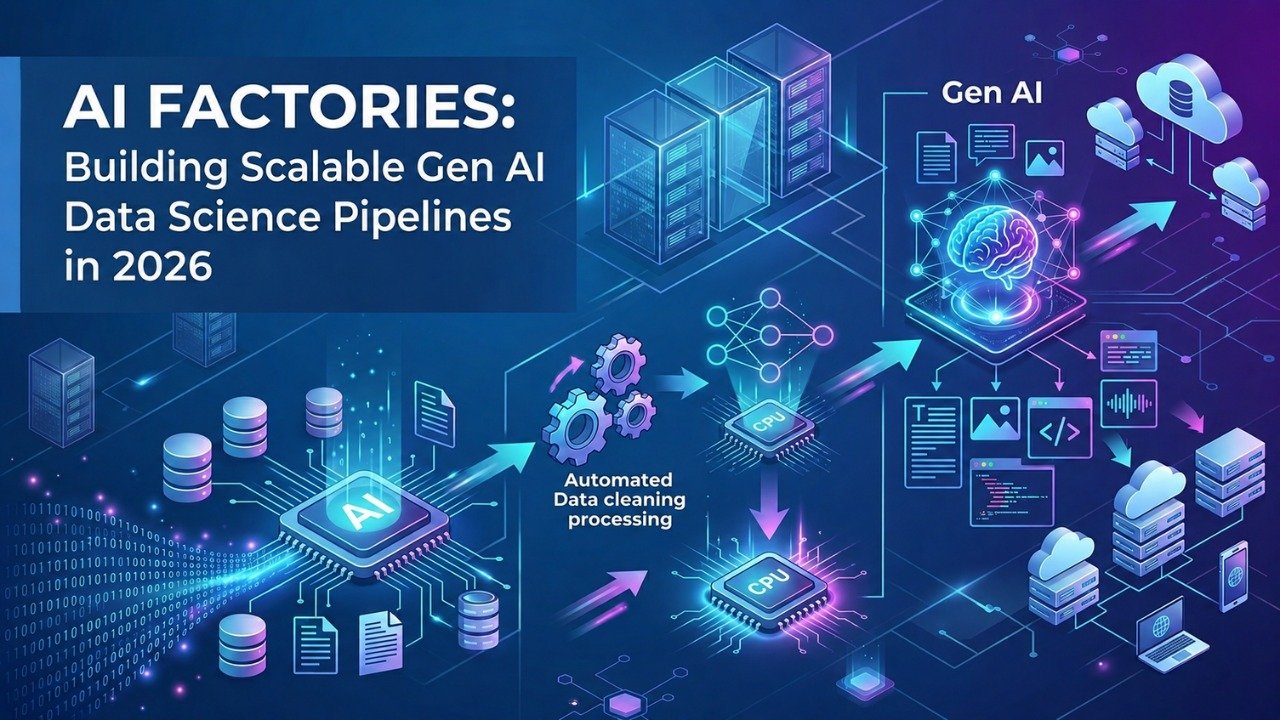
Learn how companies build scalable Gen AI and Data Science pipelines to improve productivity and handle operations. Learn more at Eduinx. Learn More
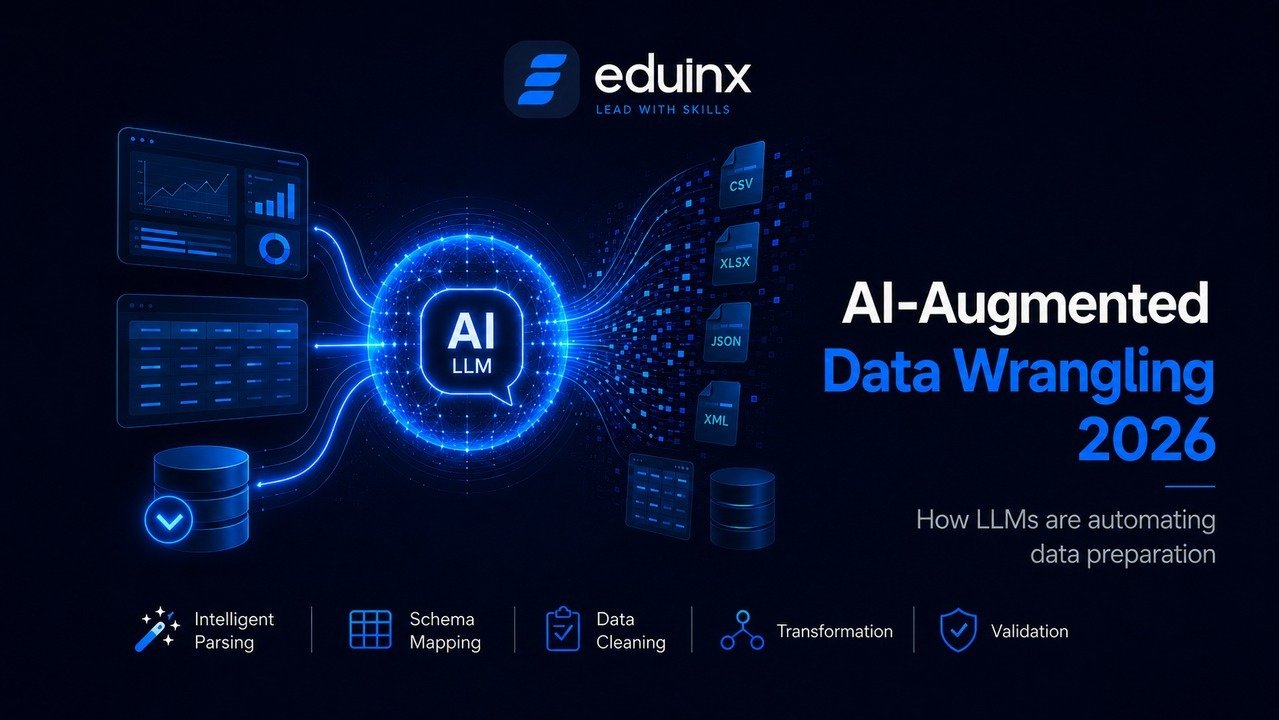
Discover how LLMs and AI-augmented data wrangling tools are automating data cleaning in 2026. Learn methods, real-world examples, and top automated data cleaning tools. Learn More
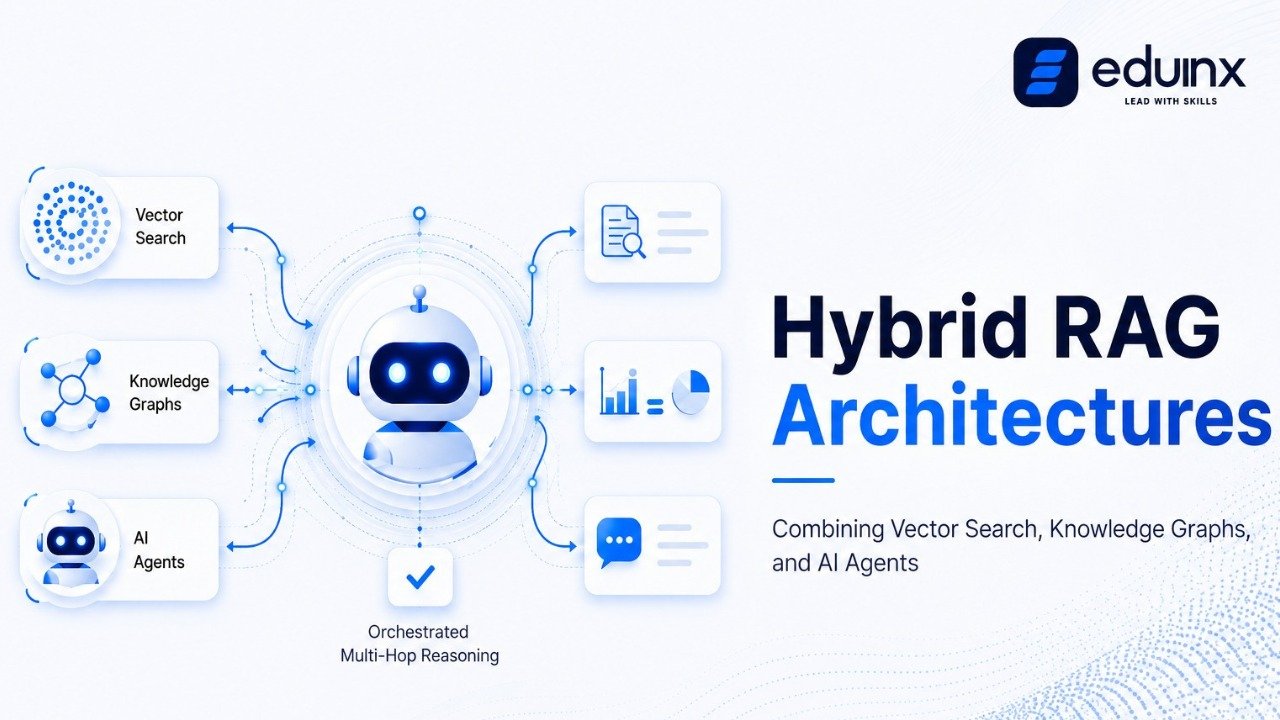
Learn how hybrid RAG combines vector databases, knowledge graph RAG, and AI agent frameworks to build enterprise RAG solutions that deliver accurate, production-ready answers. Learn More
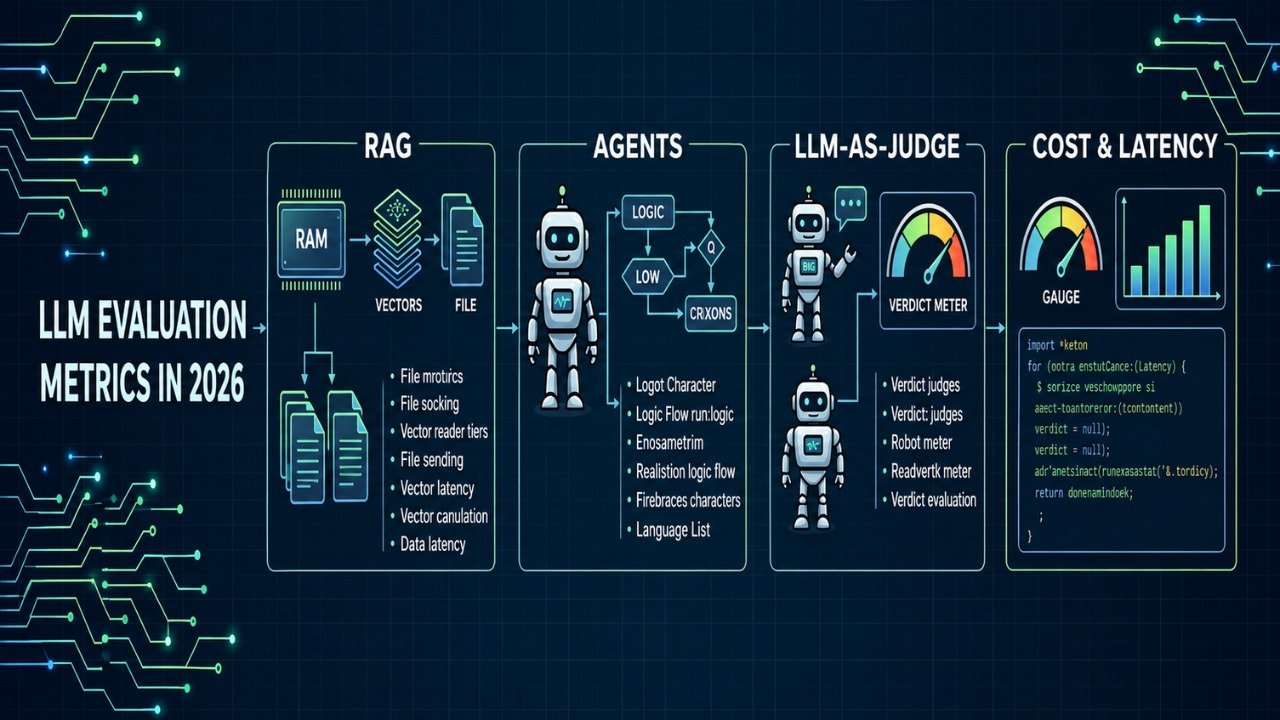
With the emergence of LLMs dominating every industry, industries are on the lookout for professional AI engineers who use LLMs with RAG to transform their business. Did you know that there are several new emerging roles related to generative AI and RAG engineers?...... Learn More
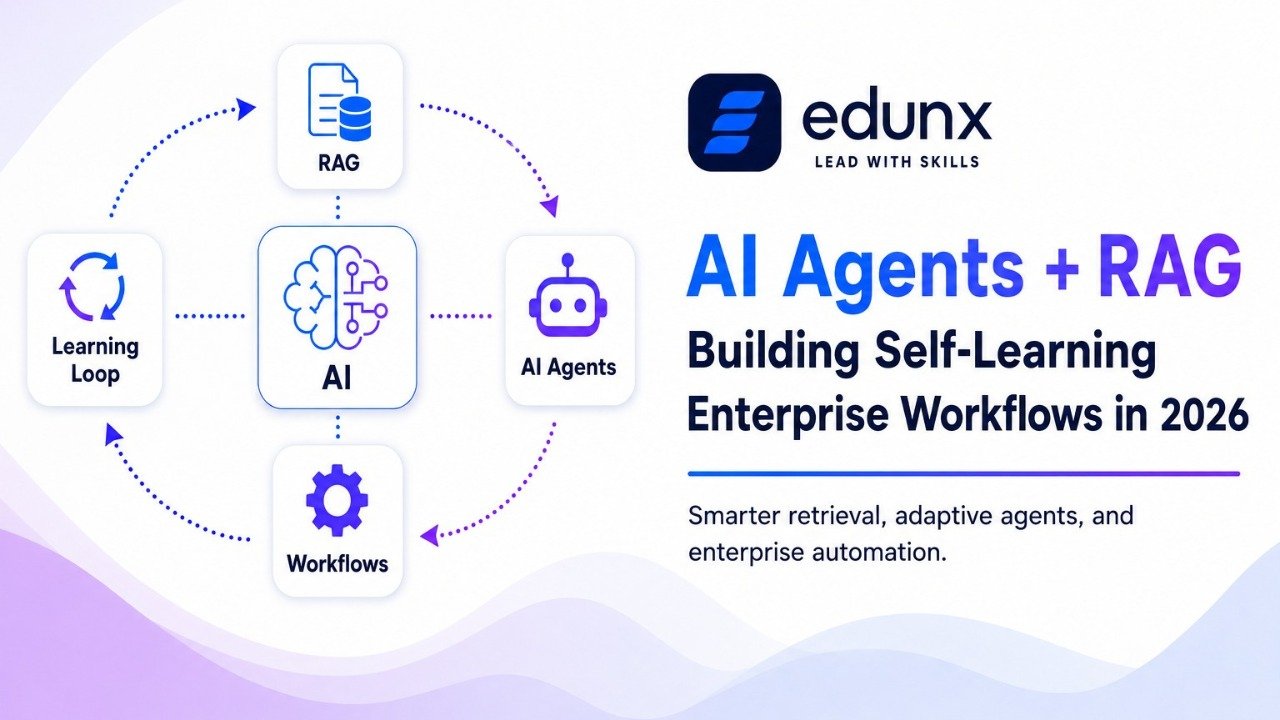
Learn how combining AI agents with RAG (Retrieval-Augmented Generation) powers self-learning enterprise workflows. Covers LangChain, LangGraph, knowledge graph RAG, and real-world use cases for 2026.. Learn More
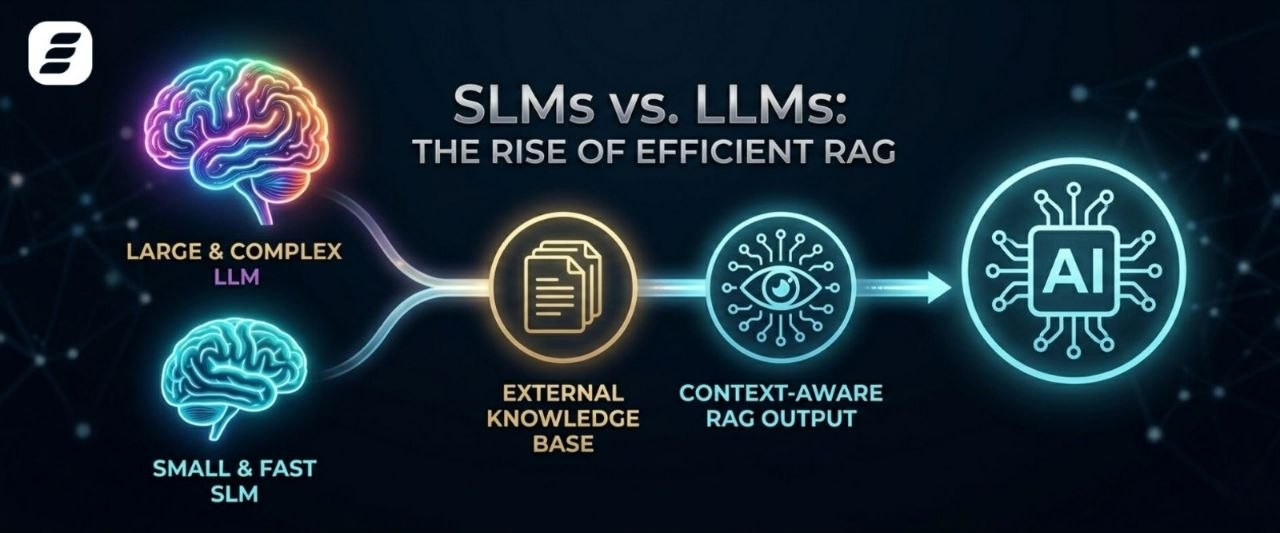
The emergence of artificial intelligence has brought enterprises to a pivotal point: Should they allocate resources to Large Language Models (LLMs) for their versatility or to Small Language Models (SLMs) for their efficiency? This dilemma has become increasingly important as companies seek..... Learn More
Understand the key generative AI ethics challenges of 2026: copyright issues in India, deepfake authenticity risks, and how to build a responsible AI governance framework. Learn More
Learn what Generative Engine Optimization (GEO) is and how to optimize content for ChatGPT, Google SGE, and Perplexity. Actionable GEO strategies to boost AI citation visibility in 2025-2026. Learn More

Discover how multimodal generative AI integrates text, video, and audio into unified creative pipelines. Explore tools, architecture, real-world applications, and the careers emerging around cross-modal AI in 2026. Learn More
Discover how multimodal generative AI integrates text, video, and audio into unified creative pipelines. Explore tools, architecture, real-world applications, and the careers emerging around cross-modal AI in 2026. Learn More
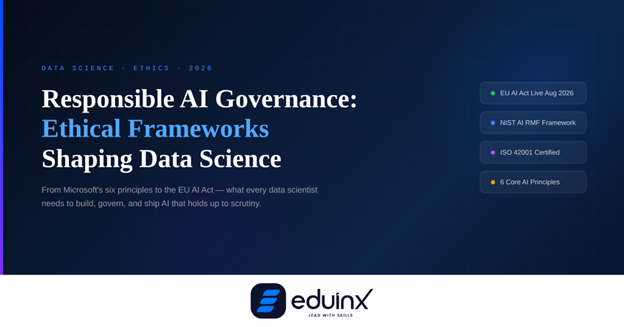
Discover the ethical AI frameworks reshaping data science in 2026, from Microsoft's 6 principles to NIST AI RMF, EU AI Act compliance, and bias mitigation strategies. Learn More

Did you know that building your AI product team in the right way can help bridge the gap between data science, software development, user needs, and business requirements? You can build your dream product-focussed AI team through cross-functional collaboration by gathering a team of dynamic resources that include developers, AI/ML engineers, data scientists, and non-technical domain experts. Learn More
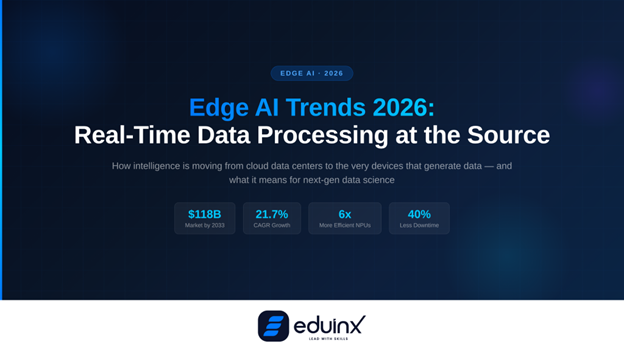
Explore the top Edge AI trends in 2026 - from smart sensors and predictive analytics to federated learning and what they mean for your data science career Learn More
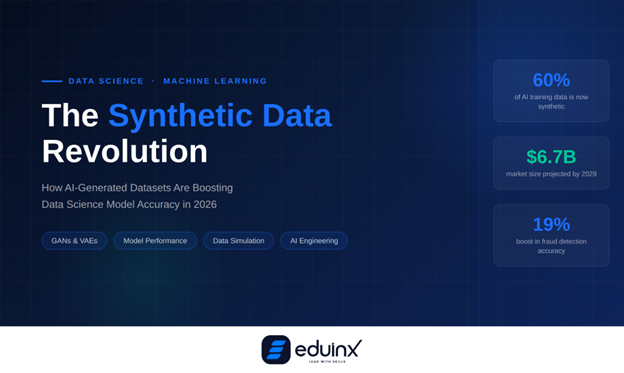
Learn how synthetic data and AI-generated datasets improve machine learning model accuracy, fix class imbalance, and power data science models across industries. Learn More
Discover how agentic AI in PM tools like Jira, Asana, and Linear goes beyond assistance to autonomously plan, execute, and manage products. Learn More
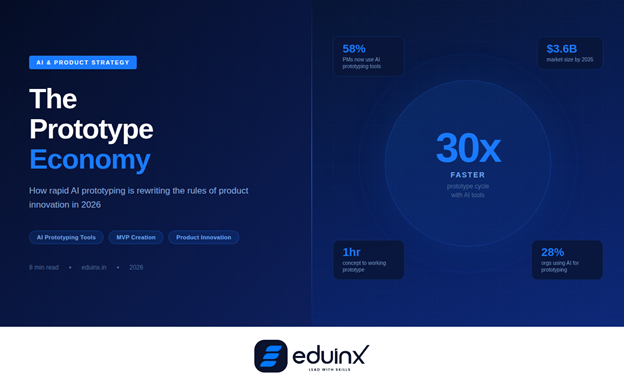
Discover how AI prototyping tools in 2026 are collapsing product timelines from weeks to hours. Learn the tools, business models, and career opportunities. Learn More
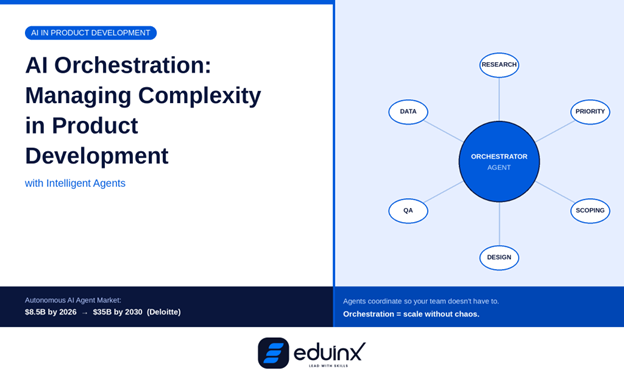
Learn how AI orchestration uses intelligent agents to simplify product development - from roadmap planning to governance frameworks and top tools in 2026. Learn More
Discover how AI-driven personalization works at scale. Explore real-time data, recommendation engines, and what it means for your AI career. Learn More
Learn how Agentic AI in Product Management drives autonomous workflows, AI-powered launches & end-to-end automation to cut time-to-market dramatically. Learn More
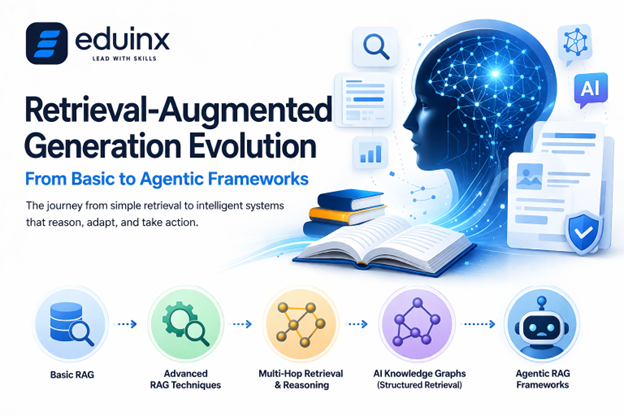
Large language models are powerful, but their knowledge comes with an expiry date and are not aware of your internal data. Learn More
For the better part of three years, Retrieval-Augmented Generation (RAG) has been the quiet workforce of enterprise-level AI. Learn More
The RAG revolution has a new engine: Mixture-of-Experts (MoE) is officially rewriting the playbook for how LLMs retrieve and process information. Learn More
The integration of operational data and RAG isn’t just innovation—it’s a revolution transforming industries from the ground up.E-commerce giants, and healthcare have adapted RAG systems in their enterprise AI environments. Learn More

Fine-tuning is like teaching an AI to speak your secret corporate language; RAG is giving it the ability to look up facts in real-time so it stops hallucinating those 'facts' with such confidence. Learn More
Generative AI just got smarter: Retrieval‑Augmented Generation (RAG) is changing the game by fusing vast knowledge bases with creative output, unlocking systems that don’t just generate but understand. Learn More